Towing tips and guides for Virginia drivers
Practical guides from All Wide Towing & Recovery in Norfolk, VA: breakdowns on the interstate, Virginia driving laws, towing costs and what to do after an accident.
Who Pays for a Tow After a Car Accident in Virginia?
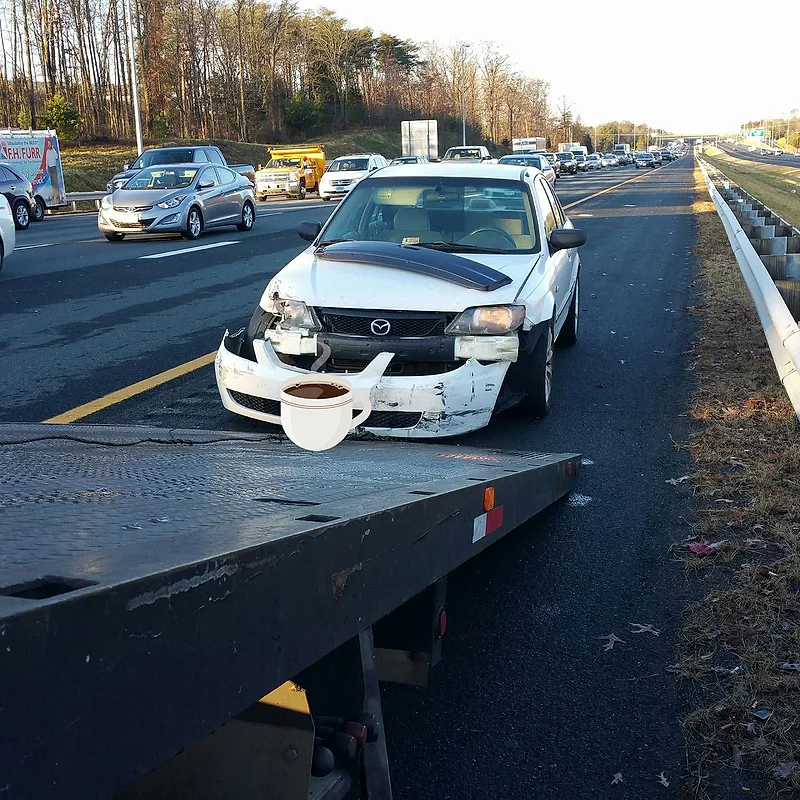
In Virginia, the at-fault driver’s liability insurance generally pays for the other driver’s damages, and that can include towing and storage. Your own collision coverage or a towing add-on may pay first and seek reimbursement later. Either way, you may be asked to pay the tow company up front, so keep your receipt and check your policy with your insurer.
Flooded Car in Norfolk? What to Do Before You Try to Start It
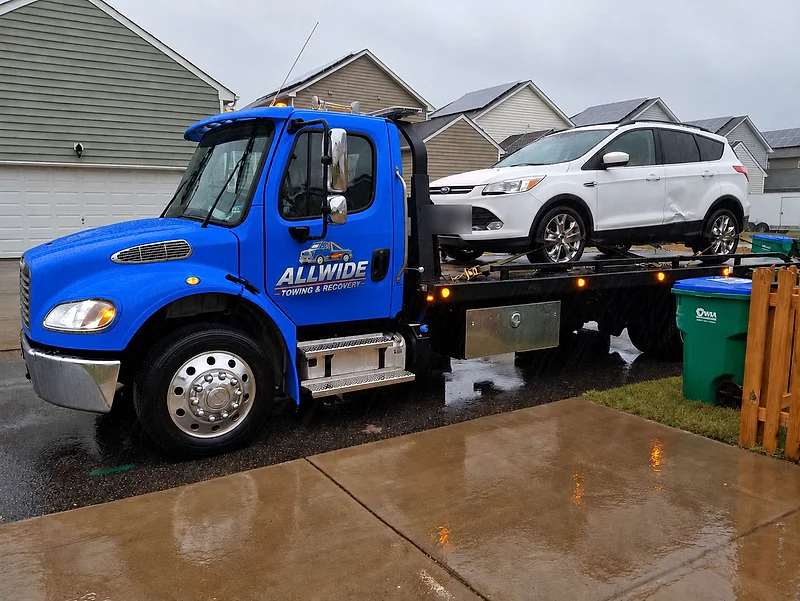
If your car sat in flood water or you drove through flood water in Norfolk, don’t try to start it. Turning the key can pull water into the engine or short out wet electrical parts and turn a repairable car into a much bigger problem. Get yourself safe, take photos, call your insurance company, and have the car towed on a flatbed to a shop that can inspect it.
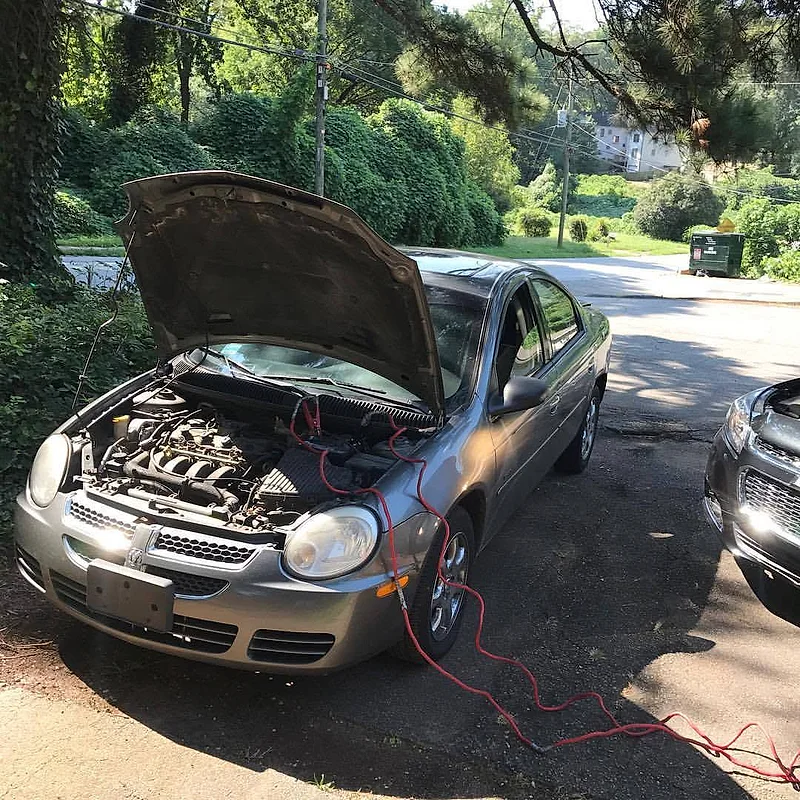
Car Won’t Start? Dead Battery, Alternator or Starter: How to Tell
When a car won’t start, the sound it makes usually points to the cause: rapid clicking or dim lights often mean a weak battery, a single click with bright lights often points to the starter, and a car that starts after a jump but dies again soon after often has an alternator problem. Here is how to tell them apart, what you can safely check yourself, and when to call for a jump start or a tow.
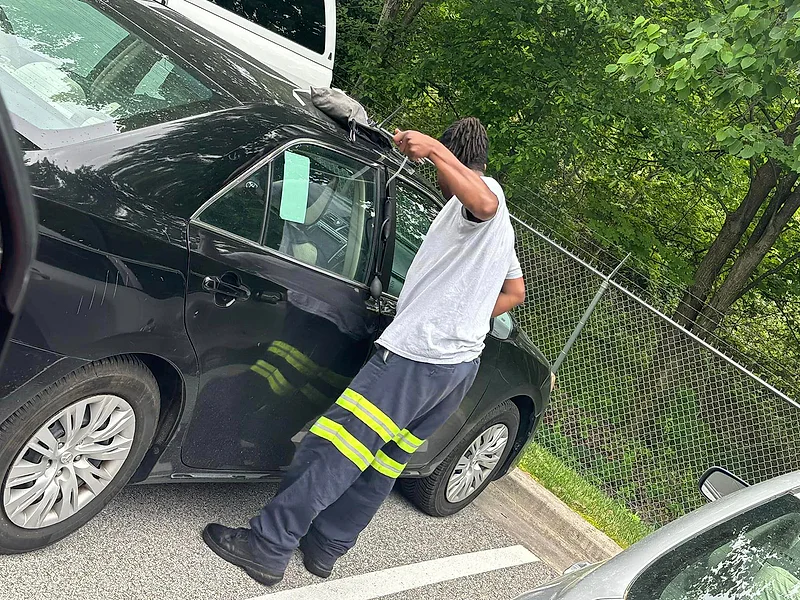
Locked Your Keys in the Car in Norfolk? What to Do Right Now
If you locked your keys in the car in Norfolk, first make sure no child or pet is trapped inside, then check every door and look for a spare key before calling a car lockout service. If you still can’t get in, call All Wide Towing & Recovery at (757) 796-4622 and we’ll help you get back into your vehicle.
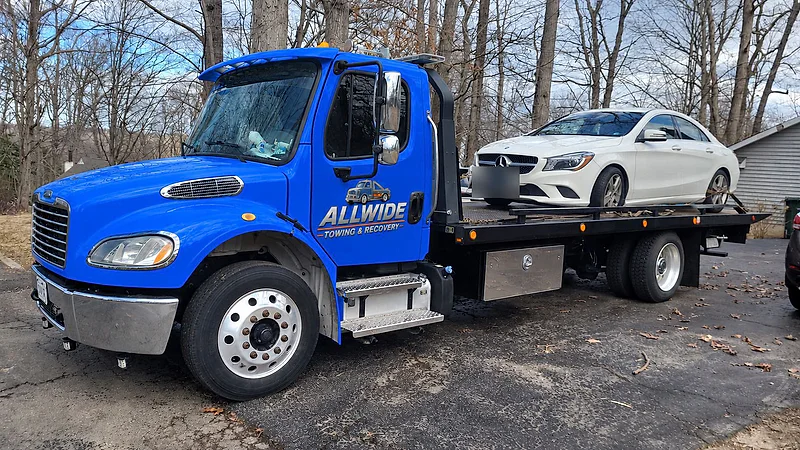
Flatbed vs. Wheel-Lift Towing: Which One Does Your Car Need?
A flatbed carries your whole vehicle on a bed with all four wheels off the road, while a wheel lift raises one end and lets the other end roll behind the truck. Most AWD and 4WD vehicles, EVs, low cars and badly damaged cars should go on a flatbed; a wheel lift is a good fit for many two-wheel-drive cars and tight spots where a flatbed can’t reach.
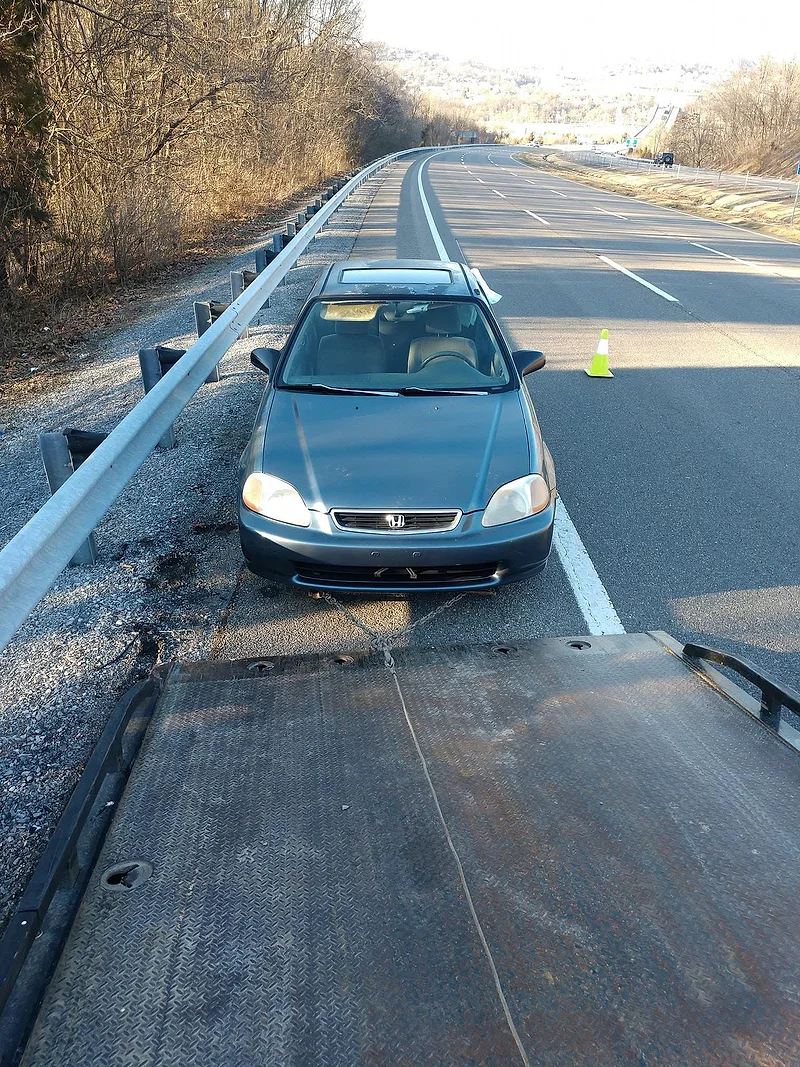
Car Broke Down on I-64 or I-264 in Norfolk? What to Do
If your car breaks down on I-64, I-264 or another Norfolk interstate, get to the right shoulder or the next exit, turn on your hazard lights, stay buckled in, and call a tow truck with your exact location. Here is each step, plus what to do on a bridge or in a tunnel.
Virginia’s Move Over Law Explained (§ 46.2-861.1)
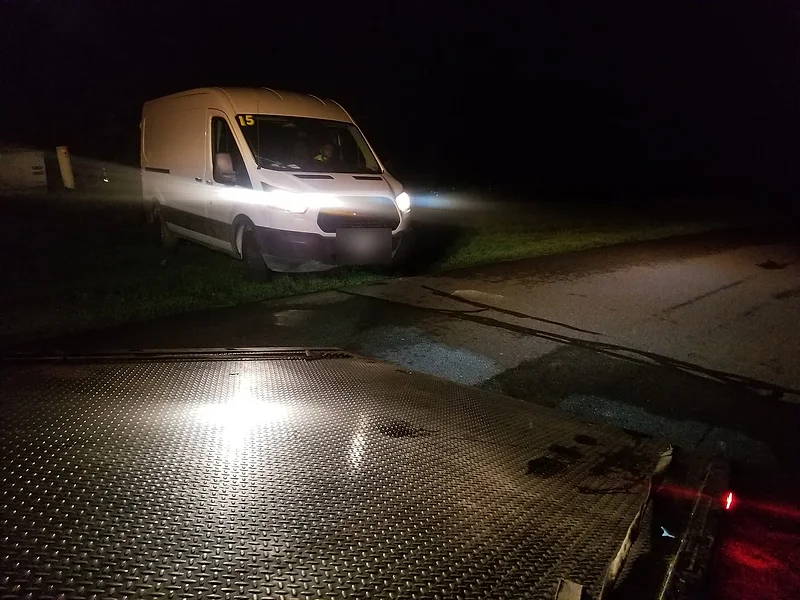
Virginia’s Move Over law, Code of Virginia § 46.2-861.1, requires drivers approaching a stopped vehicle that is showing flashing lights, hazard lights, flares or caution signs to move to a lane that isn’t next to it when that’s reasonable, or to slow down and pass with caution.
How Much Does a Tow Truck Cost in Norfolk, VA?
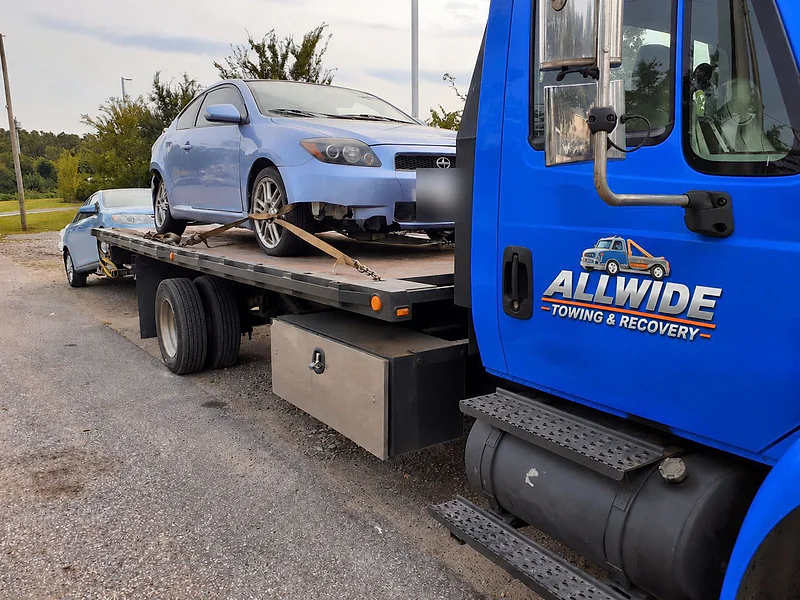
How much does a tow cost in Norfolk, VA? It depends on how far your vehicle goes, how big it is, which tow truck it needs, where it’s sitting and whether it needs recovery work first. Because every call is different, ask for the price before the truck is sent.
What to Do After a Car Accident in Virginia
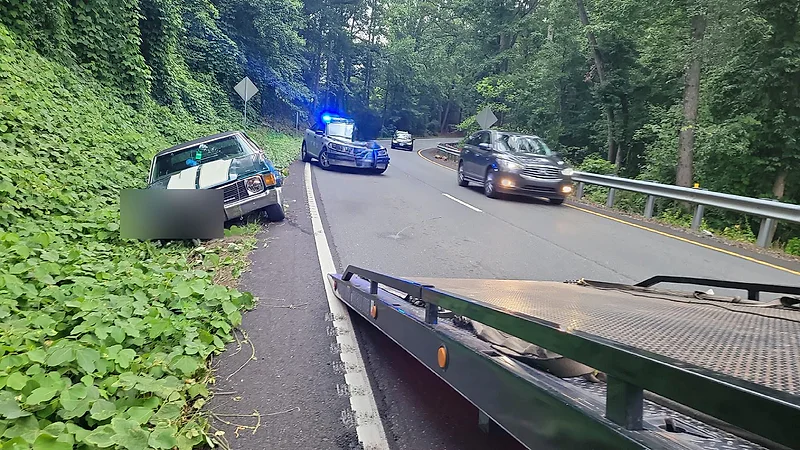
After a car accident in Virginia, check for injuries and call the police if anyone is hurt, turn on your hazard lights, move drivable cars out of the travel lanes if no one is hurt, exchange information, document the scene, and arrange a tow for any car that can’t be driven safely.
Last updated: